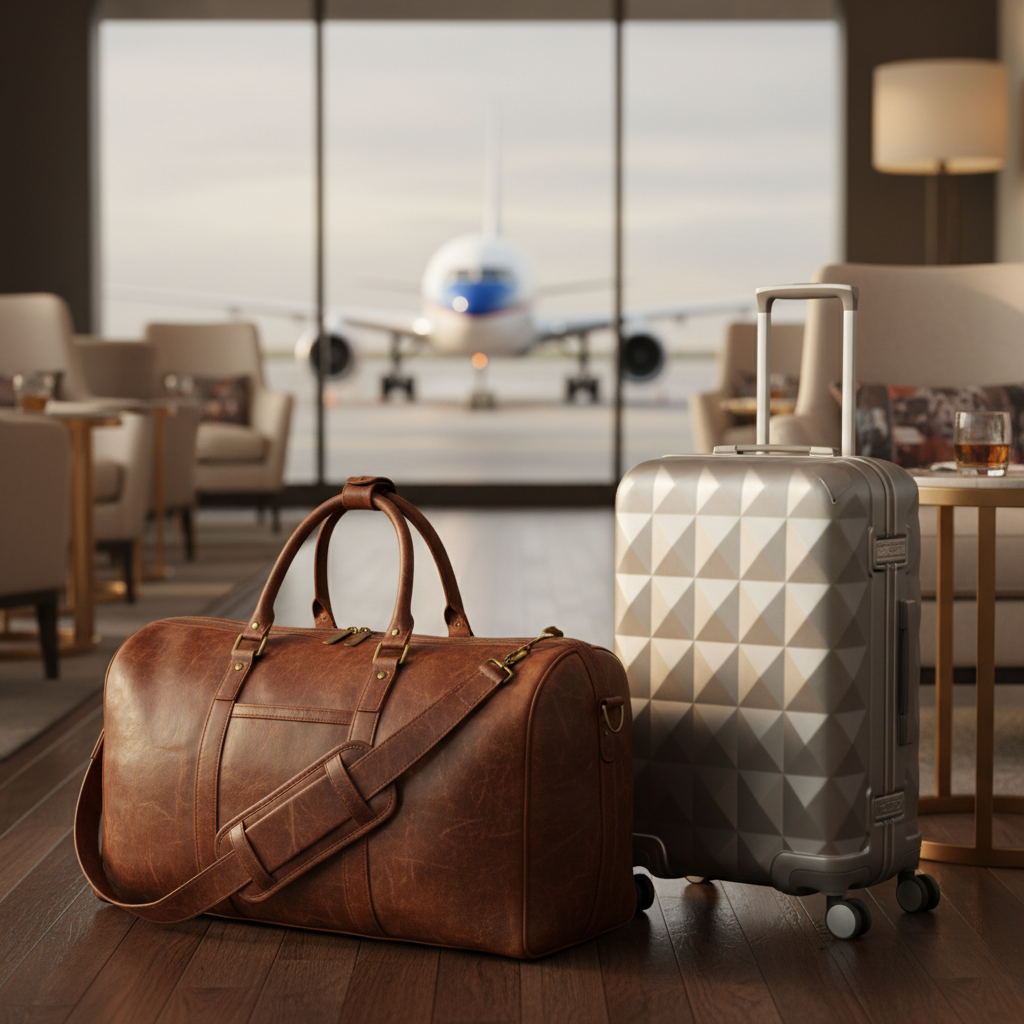
Hardshell vs Softshell Luggage: The Ultimate Travel Gear Guide
Choosing the right luggage is a pivotal decision for any traveler, impacting everything from packing efficiency to the safety of your belongings. The age-old debate of hardshell vs softshell luggage continues to perplex many, with both styles offering distinct advantages and drawbacks. This comprehensive guide will delve deep into the characteristics of each, helping you navigate the options and select the perfect travel companion for your next adventure.
The Fundamental Differences: Durability, Flexibility, and Weight
At its core, the distinction between hardshell vs softshell luggage lies in their construction materials and inherent properties. Hardshell luggage, typically crafted from polycarbonate, ABS plastic, or aluminum, is renowned for its robust exterior. This rigid shell provides superior protection against impacts, making it an excellent choice for safeguarding fragile items. However, this rigidity often comes at the cost of flexibility, meaning hardshell cases have a fixed capacity and can be less forgiving when trying to squeeze into tight spaces. Their smooth, often scratch-resistant surfaces are also easier to clean.
Conversely, softshell luggage is constructed from woven fabrics like nylon, polyester, or ballistic nylon. These materials offer inherent flexibility, allowing softshell bags to expand and compress, accommodating extra souvenirs or fitting into overhead bins more easily. The fabric construction also means softshell luggage often features external pockets, providing quick access to essentials like passports or boarding passes. While generally lighter than their hardshell counterparts, softshell bags offer less impact protection and can be more susceptible to tears or stains.
Product Spotlights: Top Picks in Each Category
When considering hardshell vs softshell luggage, specific products exemplify the best of each design. For travelers prioritizing robust protection and sleek aesthetics, hardshell luggage like the Freeform Hardside Expandable Luggage stands out. This Samsonite offering boasts a lightweight yet durable polycarbonate shell, designed to absorb impact by flexing under stress, then popping back to its original shape. Its expandable feature adds a touch of versatility, addressing a common critique of hardshells. Another excellent hardshell option is the Omni PC Hardside Expandable Luggage, known for its scratch-resistant texture and impressive maneuverability thanks to its spinner wheels.
On the softshell luggage side, the Maxlite 5 Softside Expandable Luggage by Travelpro is a perennial favorite. Crafted from high-density polyester fabric with a water-repellent coating, it's incredibly lightweight and durable for its class. Its thoughtful design includes multiple exterior pockets and a power scope handle system for comfortable maneuvering. This bag perfectly illustrates the practicality and accessibility that softshell luggage is celebrated for, making it ideal for frequent flyers who value convenience.
Making Your Choice: A Comparative Analysis
Deciding between hardshell vs softshell luggage ultimately depends on your individual travel style, destination, and the nature of your belongings. Consider these factors:
FeatureHardshell LuggageSoftshell Luggage :----------------:---------------------------------------------------:--------------------------------------------------- ProtectionExcellent against impacts, ideal for fragile itemsGood, but less impact resistant, prone to tears FlexibilityRigid, fixed capacity, harder to squeezeFlexible, expandable, easier to fit into tight spaces WeightCan be heavier (though modern designs are lighter)Generally lighter External PocketsRarely present, internal organization onlyOften features multiple external pockets DurabilityResistant to scuffs and punctures, easy to cleanCan show wear and tear, susceptible to stains SecurityOften includes built-in TSA locksMay require external locks PriceCan be higher for premium materialsGenerally more budget-friendly AestheticsSleek, modern, often glossyTraditional, fabric-basedIf you're carrying electronics, glassware, or other delicate items, the superior protection of hardshell luggage is invaluable. For those who prioritize packing flexibility, external access, and a lighter load, softshell luggage will likely be your preferred choice. Frequent travelers who often encounter varying baggage restrictions might lean towards softshell's adaptability.
Our Verdict
The ultimate winner in the hardshell vs softshell luggage debate isn't a universal one; it's deeply personal. For maximum protection of valuables, a sleek appearance, and easy cleaning, hardshell luggage like the Freeform Hardside Expandable Luggage or Omni PC Hardside Expandable Luggage is an excellent investment. However, if you value lightweight design, external storage, and the ability to pack that "just-in-case" extra item, softshell luggage such as the Maxlite 5 Softside Expandable Luggage offers unparalleled convenience and adaptability. Many seasoned travelers even opt for a mix – a hardshell for checked baggage and a softshell for their carry-on, leveraging the strengths of both for a truly optimized travel experience. Consider your typical travel scenarios, packing habits, and what truly matters most to you on the road, and you'll confidently choose the luggage that best suits your journey.